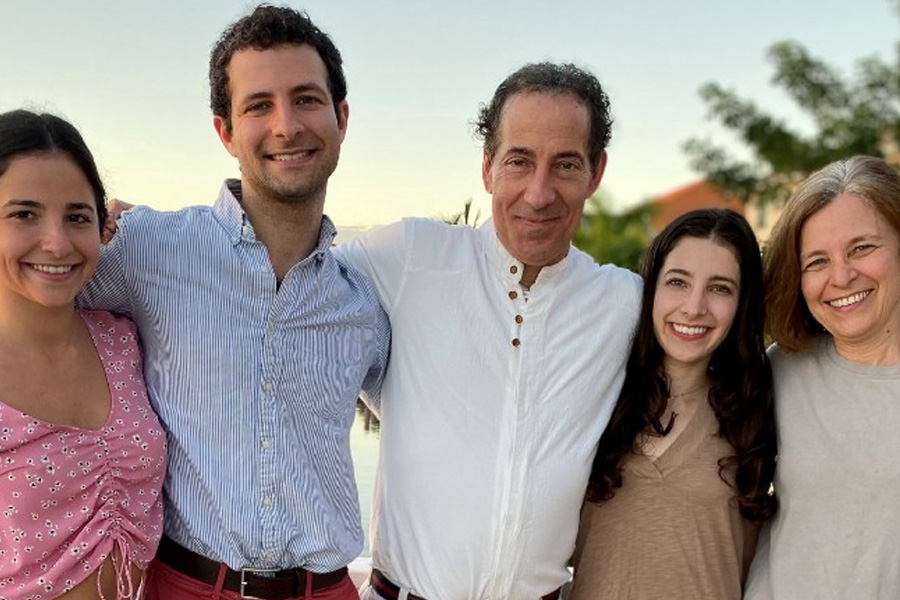
Basic Information
| Field | Details |
|---|---|
| Full Name | Thomas Bloom Raskin |
| Known As | Tommy |
| Birth | January 30, 1995 — Takoma Park, Maryland, USA |
| Death | December 31, 2020 — age 25 |
| Nationality | American |
| Heritage | Jewish; Russian-Jewish roots |
| Education | Amherst College (BA, History, 2017; Kellogg Prize); Harvard Law School (JD candidate, 2019–2020; Teaching Fellow) |
| Advocacy | Animal rights, veganism, global justice, Effective Altruism |
| Parents | Jamie Raskin (U.S. Representative, constitutional law professor); Sarah Bloom Raskin (law professor, former deputy Treasury secretary) |
| Siblings | Hannah Grace Raskin (older sister); Tabitha Claire Raskin (younger sister) |
| Grandparents | Marcus G. Raskin; Barbara Bellman Raskin; Herbert Bloom; Arlene Bloom |
Early Life and Education
Thomas Bloom Raskin arrived like a spark in winter—bright-eyed, curious, and disarmingly joyful. Raised in a politically engaged, intellectually abundant household in Takoma Park, Maryland, he developed a photographic memory and a taste for playful provocation, whether memorizing lists of presidents or coaxing family pets into “speaking” foreign languages. His childhood was textured with jazz piano, spontaneous high-fives to strangers, and laughter at the dinner table.
A family sabbatical in Paris marked his middle school years, expanding his worldview at the Ecole Active Bilingue Jeannine Manuel and instilling skepticism toward bureaucracy. Back in Montgomery County, he attended Eastern Middle School and Montgomery Blair High School, where his leadership streak blossomed: he co-founded the Bliss peer-tutoring program, captained the forensics club, excelled in debate and extemporaneous speaking, and dove into Young Democrats organizing for the 2012 presidential campaign. He rejected social snobbery with a simple mantra—“forgive me, but it’s hard to be a human”—a phrase that carried empathy like a lantern through fog.
At Amherst College, Tommy majored in history and won the Kellogg Prize for his senior thesis on the intellectual history of animal rights—work that fused scholarship with moral urgency. His studies were not siloed: he helped lead campus debates, advocated for veganism, and wove philosophy with practical action. In 2019, he entered Harvard Law School, where he served as a teaching fellow for “Justice: Ethics in an Age of Pandemic and Racial Reckoning,” and joined the Animal Law Society and the Effective Altruism board. His students remembered him for quick wit and generous encouragement; he once donated in their names to Oxfam, a gesture as heartfelt as it was instructive.
Family Roots and Relationships
Tommy’s family was both compass and sanctuary. His parents, Jamie and Sarah, provided a home steeped in law, literature, and public service, where spirited conversation was the family sport and compassion the house rule. His bond with sisters Hannah and Tabitha was tender, playful, and enduring—memorizing lines, acting out scenes, and building rituals that became stories: a group prom dinner for two dozen friends here, a surprise vegan feast there.
His grandparents brought further depth: Marcus G. Raskin, co-founder of the Institute for Policy Studies, and Barbara Bellman Raskin, a novelist, framed a heritage of activism and art; Herbert and Arlene Bloom offered warmth and unguarded adoration. Extended relatives—numerous aunts, uncles, and cousins—added what Tommy once called “philosophical nourishment,” a wide circle that nurtured his sharp intellect and soft heart.
Activism, Scholarship, and Work
Tommy’s advocacy was not a hobby; it was a thread stitching together his studies, friendships, and public voice. He argued that kindness toward animals is a measure of our moral seriousness, urging veganism with humor and patience. He interned at a range of organizations—Cato Institute, J Street, Institute for Policy Studies, Friends Committee on National Legislation, and Mercy for Animals—seeking vantage points across the political spectrum to refine his ethics and policy thinking. He spoke at events about factory farming and moral responsibility, read poetry on animal suffering, and wrote essays that braided clarity with conscience.
Selected roles and touchpoints:
| Year(s) | Role / Organization | Focus |
|---|---|---|
| 2013–2017 | Amherst College | History major; Kellogg Prize; animal rights thesis |
| 2017–2019 | Policy and advocacy internships | Civil liberties, peace advocacy, Middle East policy, animal welfare |
| 2019–2020 | Harvard Law School | Teaching fellow; Animal Law Society; Effective Altruism |
| Ongoing (through 2020) | Public speaking and essays | Veganism, moral philosophy, global justice |
His approach was pragmatic—change hearts, then laws—and personal, often inviting friends to try plant-based meals, consider donations to anti-poverty groups, or debate ethics late into the night. He was also known to lighten tense law school moments with a quip, then pivot to a deep moral question that stayed in the room long after class ended.
Mental Health and Loss
Despite the outward glow, Tommy battled severe depression in his 20s, a struggle his family later described as “relentless torture in the brain.” On December 31, 2020, at age 25, he died by suicide, leaving a note that read, “Please forgive me. My illness won today.” He was deeply loved, relentlessly kind, and profoundly missed—his life a reminder that brilliance and suffering can coexist in the same soul, and that empathy must be as serious as any study of law or history.
No detailed financial account of his life is available; he was a young scholar, a student supported by family, with accomplishments measured in ideas, friendships, and acts of generosity rather than assets.
Legacy and Ongoing Memorials
In the years since his death, Tommy’s legacy has rippled through classrooms, communities, and causes. Memorial gatherings carried thousands of heartfelt tributes, while speeches by family members reflected both private grief and public gratitude. His name became a banner for mental health awareness and humane policy—an emblem not of tragedy, but of love turned into action.
In 2025, Lewis & Clark Law School announced the Thomas Bloom Raskin Animal Protection Scholarship, a $10,000 award for advanced law students focused on farmed animal advocacy. The inaugural recipient, Megan Rosen, signaled the program’s core aim: to pair rigorous legal education with compassionate, strategic reform. Grants, fellowships, and student initiatives bearing his name continue to invite a new generation into the work he cherished, reminding advocates to be brave, precise, and kind.
Extended Timeline
| Year(s) | Highlights |
|---|---|
| 1995 | Born January 30 in Takoma Park, Maryland |
| Early 2000s | Montgomery County schools; family year in Paris; early signs of curiosity and humor |
| High School | Montgomery Blair: Bliss tutoring co-founder; forensics captain; Young Dems organizer (2012); inclusive group prom dinner |
| 2013–2017 | Amherst College: History major; Kellogg Prize; thesis on animal rights; campus debate leadership |
| 2017–2019 | Internships across policy and advocacy organizations; essays and talks on animal welfare |
| 2019–2020 | Harvard Law School: Teaching fellow for ethics course; Animal Law Society; Effective Altruism board; donations in students’ names |
| Dec 31, 2020 | Died by suicide at age 25 |
| 2021–2025 | Memorials and tributes; mental health initiatives; animal protection scholarship established and awarded |
The Family Thread: Names, Roles, and Bonds
| Family Member | Relation | Notable Background | Bond with Tommy |
|---|---|---|---|
| Jamie Raskin | Father | U.S. Representative; constitutional law professor | Shared civic passion and moral inquiry |
| Sarah Bloom Raskin | Mother | Law professor; former deputy Treasury secretary | Nurtured his ethics and intellectual courage |
| Hannah Grace Raskin | Sister | Older sister | Playful collaborator; confidante |
| Tabitha Claire Raskin | Sister | Younger sister | Partner in stories, humor, and care |
| Marcus G. Raskin | Grandfather (paternal) | Activist; co-founder of IPS | Model of principled dissent |
| Barbara Bellman Raskin | Grandmother (paternal) | Novelist | Literary influence and warmth |
| Herbert Bloom | Grandfather (maternal) | — | Steady affection |
| Arlene Bloom | Grandmother (maternal) | — | Joyful presence |
FAQ
Who was Thomas Bloom Raskin?
Tommy Raskin was a compassionate, intellectually gifted advocate for animal rights and social justice, and a law student whose life was cut short in 2020.
What did he study and where?
He studied history at Amherst College and was a JD candidate at Harvard Law School, focusing on ethics, animal law, and public policy.
How did his family influence him?
His parents’ public service and his grandparents’ activism and artistry shaped his values, while close bonds with his sisters nurtured empathy and humor.
What were his key achievements?
He won the Kellogg Prize for his Amherst thesis, served as a Harvard teaching fellow, and held internships at leading policy and advocacy organizations.
How is his legacy honored today?
Scholarships, memorials, and advocacy projects—most notably an animal protection scholarship—carry forward his commitment to humane, effective change.
Did he have active social media accounts?
No active accounts are known; references to him online are mostly tributes or political commentary about his family.
Was there controversy around his family life?
No credible controversies are noted; sources consistently describe a loving, supportive family environment.
What did he advocate most passionately?
He championed veganism and the protection of farmed animals, linking personal ethics with systemic reform.
Digital Healthcare Solutions For Growing Patient Demand
Finding The Right Sydney Assault Lawyer For Your Case
Choosing The Best Commercial Pilates Reformer For Your Studio
Home Renovation Essentials Services That Help Bring Your Vision To Life
Building The Invisible Backbone Engineering Your Home Renovation For The Next Decade